
From Virginia to Japan: How our experts keep the Navy’s Lifeline Cranes in Fighting Shape
Norfolk, Va. - When something breaks on an aircraft carrier, there’s no pulling over or waiting for help to arrive. The Navy relies on a single, one-of-a-kind machine and the skilled mechanics who keep it operational.
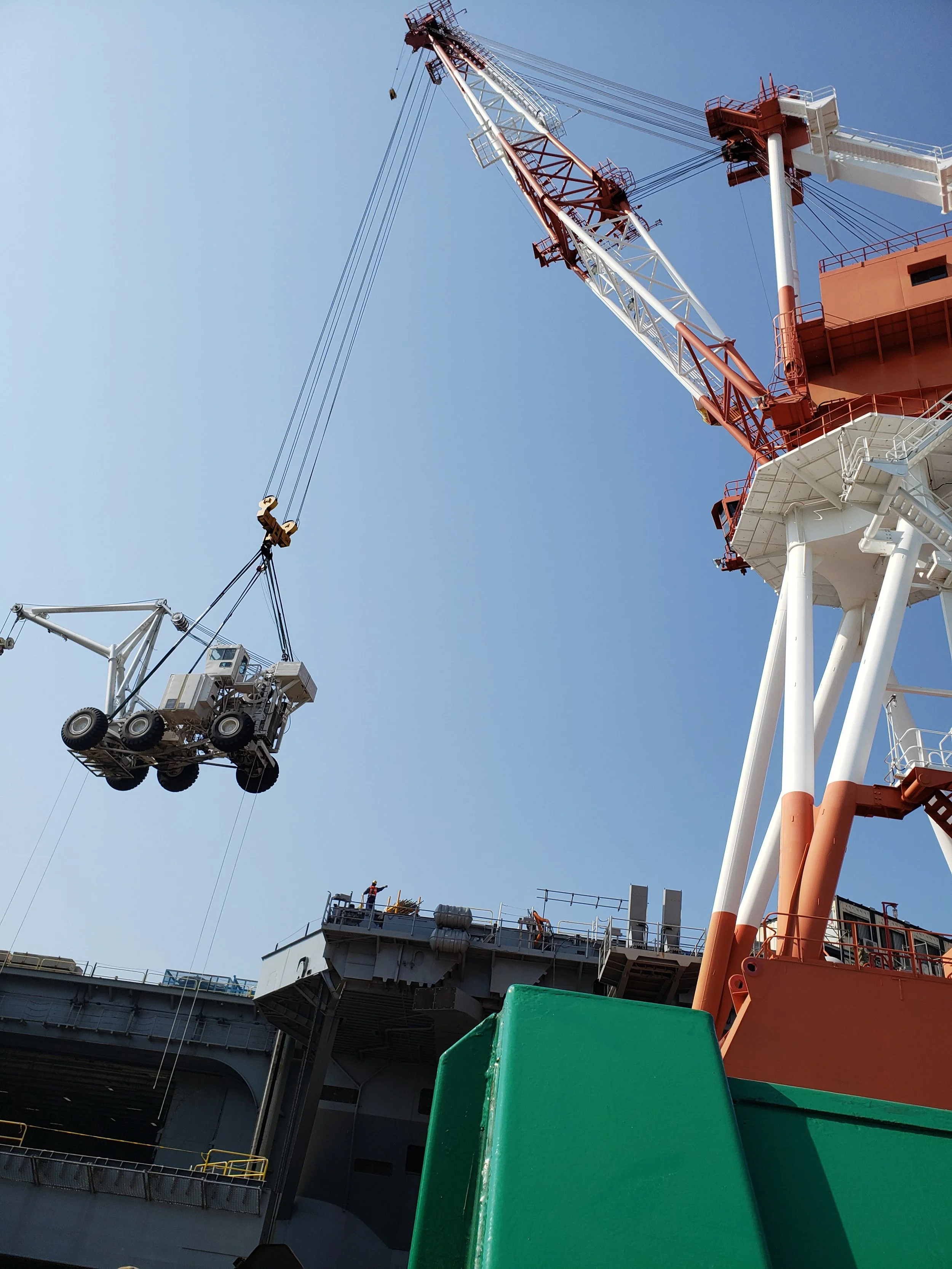
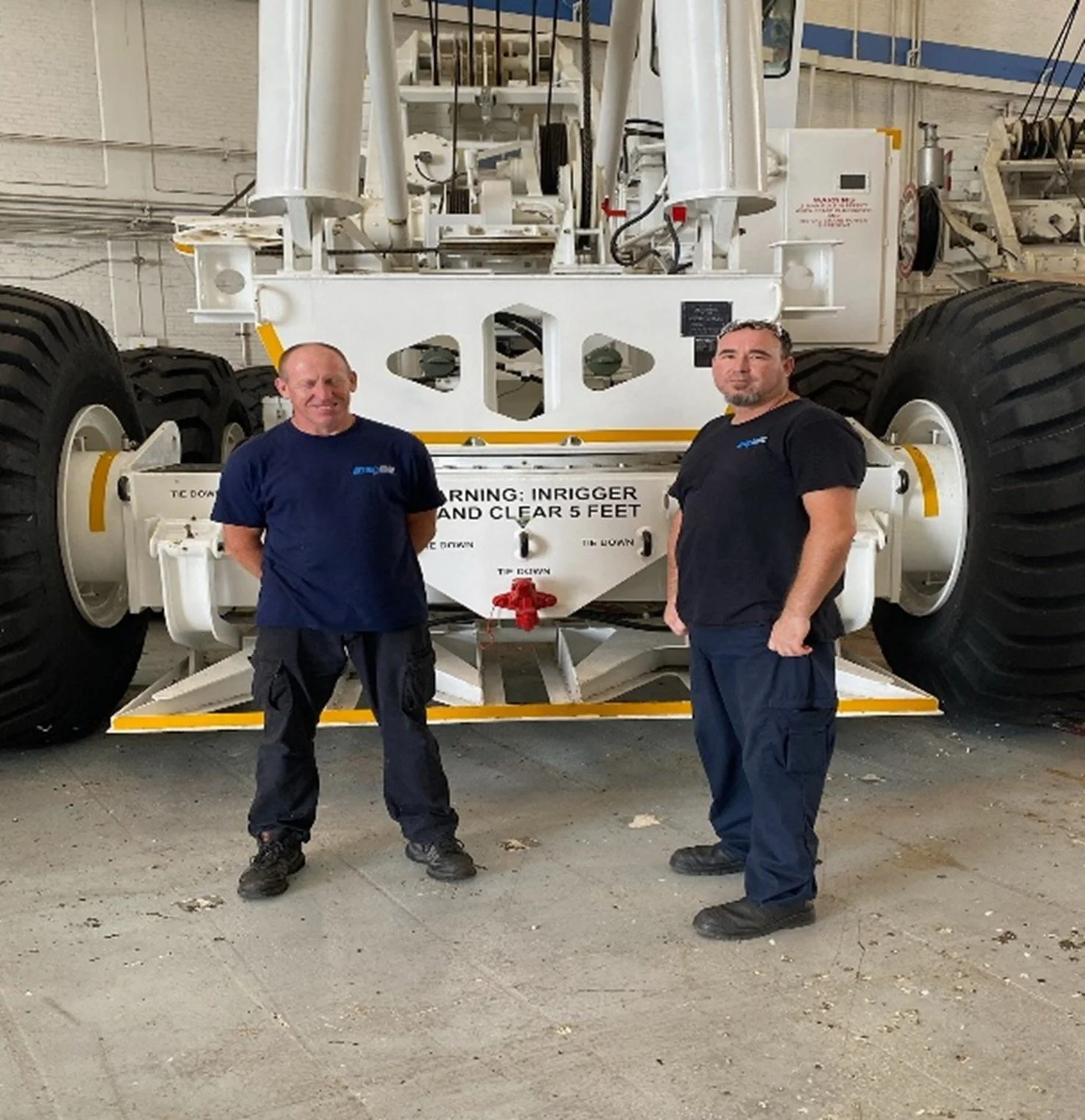
For Seabrook Solutions’ (Arrow’s Edge JV) subject matter experts (SMEs) Michael Archambo and David McIlwee, those machines are the Navy’s Common and Amphibious Crash Cranes (CSC/AACC): towering, 65-ton lifelines that lift and remove disabled aircraft so flight operations can continue safely. “It’s the only crane like this on board,” Archambo explained. “Because it’s so big, there’s only one per carrier.”
Think of them as a monster tow truck crossed with a construction crane, designed to balance on a moving flight deck. Each can hoist more than 30 tons, about the weight of a city bus or a fully loaded F/A-18 Hornet.
The Navy’s Common Aviation Support Equipment Program Office (PMA-260) recently delivered 27 new crash cranes to replace its aging fleet. Archambo and McIlwee were instrumental in assembling and testing the first of these next-generation machines in Pensacola, Florida. “Both men are considered superstars in the Aviation Support Equipment community,” said their supervisor, Kurt Julien.
With more than two decades of crane experience, Archambo has seen nearly every variant the Navy has fielded. “Weather and everything takes a toll on them,” he said. “Maintenance is hard to do when they’re trying to do other stuff on a carrier.” McIlwee, who has worked with crash cranes since 2012, says their success comes down to trust: “I can anticipate what Mike’s going to do — how he operates, how he signals. It’s teamwork.”
That teamwork has taken them far from home. In December 2024, they traveled to Sasebo, Japan, to perform a major load test, repair, and certification aboard the USS America. Three months later, they were called to Yokosuka to repeat the process on the USS Ronald Reagan. The stakes were high, but the mission was clear. “When we go overseas, all eyes are on us,” Archambo said. “People on the ship are trying to meet a schedule. We do what we’re supposed to and make sure it’s the best possible piece of equipment for the age of it.”
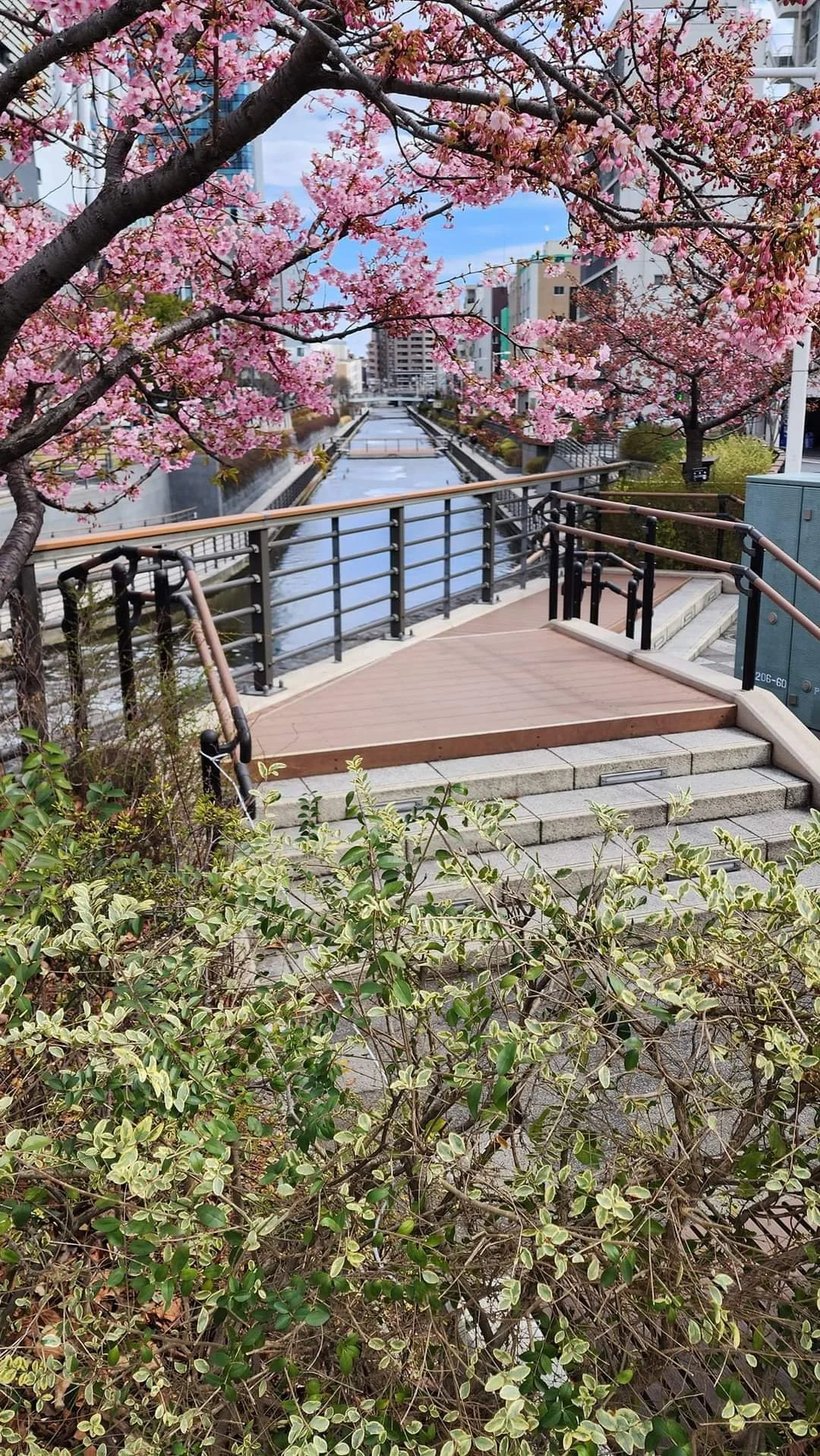
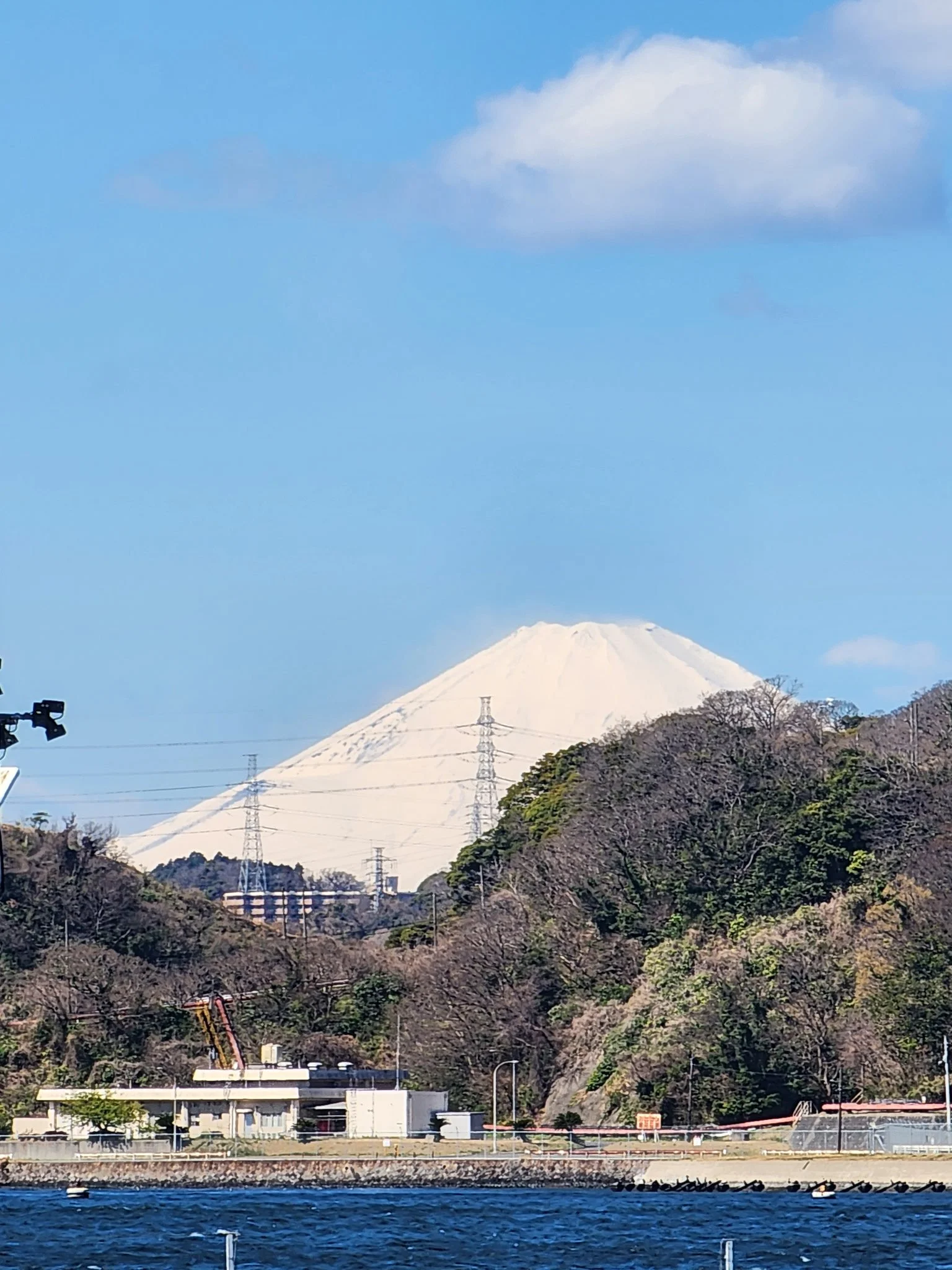
For McIlwee, the work is deeply rewarding and sometimes awe-inspiring. “Every day we work from the crane in Yokosuka, we see Mt. Fuji,” said McIlwee. “We always seem to catch the cherry blossoms that time of year. Experiencing those cultures — you’re just like, wow.”
He also offers simple advice to the next generation of mechanics: “Don’t get discouraged. New gear comes out all the time. I found something I enjoy working on, and if you take pride in it, it’ll take you far.”
The legacy cranes Archambo and McIlwee maintain have long outlived their expected service life, and the new variants they have helped assemble are correcting years of wear and obsolescence. Their expertise ensures every crash crane, old or new, is mission-ready when it matters most.